A Spring Sprinkler Start-Up Checklist for Eastern Iowa
Turning the water back on is the easy part. Checking what the winter did to each zone is the job.
October 13, 2026 · 4 min read
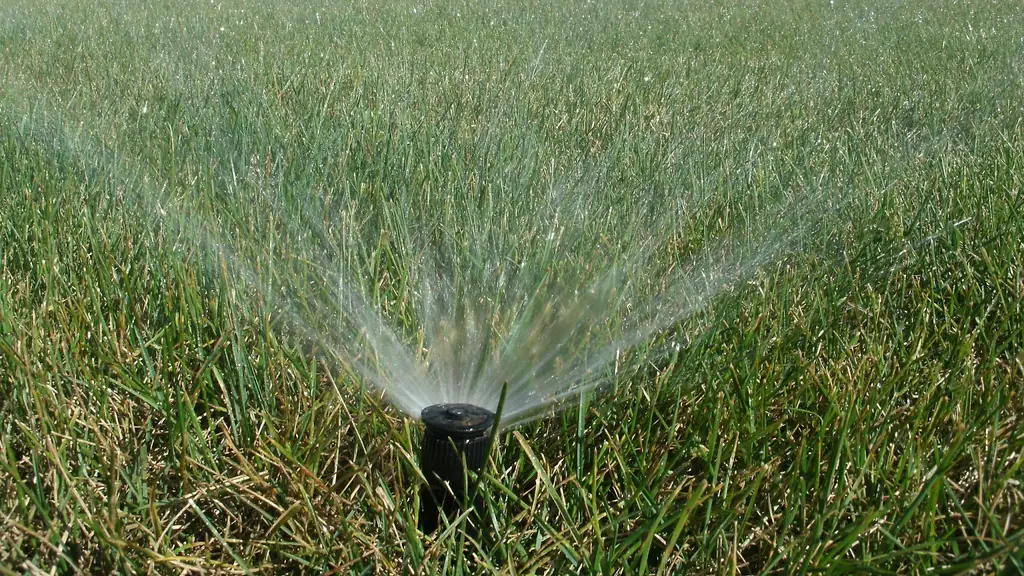
By the time the lawn turns green in spring, your sprinkler system has been asleep for months. Pipes have shifted a little, heads have been pushed around by frost heave and mowers, and a crack might be hiding in a fitting. A start-up is the careful, zone-by-zone check that tells you what shape the system is in before you depend on it in a dry July.
Why start-up is more than turning on the water
If you simply open the valve and set the timer, you'll find out about problems the slow way: by watching the lawn. A head that's buried in the grass won't water its patch. A broken one can spray a geyser for weeks, wasting water and soaking a bed. A zone that quietly stopped working shows up as a brown circle in midsummer, long after it could have been fixed in an hour.
A start-up catches those problems early, while the weather is mild and the lawn isn't yet stressed. It also gives you a chance to ask the person standing in your yard about anything that has bothered you, like a corner that always stays wet, a head that never seemed to reach the fence, or a zone that runs at a time you'd rather it didn't.
What gets checked, zone by zone
Fleming Irrigation's spring start-up runs through the system methodically. Each zone is run on its own, so the technician can see exactly what that zone is doing.
- Run each zone, one at a time, and watch it from start to finish.
- Look for broken or damaged heads.
- Check coverage, so every part of the lawn is getting water and none of it is going to the street.
- Make repairs that turn up along the way.
- Test the RPZ backflow device, if your municipality requires it.
Running zones one at a time matters because problems hide when everything is on at once. A weak head in a zone with ten others is easy to miss. Watched alone, a zone shows low pressure, a head that leans, a spray pattern that has drifted, or a spot where water collects.
Coverage is the check people skip
Heads can work and still water badly. A head that has settled or tilted over the winter throws its spray at the wrong angle. One that's been bumped may be aimed at the driveway. Grass that has grown up around a head can block the stream. A technician looks at where the water lands, not just whether it comes out, and adjusts the head to match.
If you want to add or change something, spring is a good time to ask. Fleming also modifies existing systems: adding a zone, moving heads, or revamping an older layout that no longer fits a yard with new beds, a new patio or a fence.
Signs your system needs service
You don't have to wait for the annual visit if the system is telling you something is off. Watch for these:
- Brown or dry patches that appear in the same place each year.
- Soggy ground or standing water near a head or along a line.
- A head that sprays a stream instead of a fan, or that won't pop up.
- A zone that doesn't turn on, or a weak, uneven spray.
- Water running down the street or driveway.
- A controller that shows an error or has lost its program.
- Water dripping from the small port on the backflow device.
Many of these turn out to be small things, such as a head, a nozzle or a connection. But a small problem doesn't stay small. It wastes water every cycle it runs, and a leak underground can soften the soil around it until a bigger repair is needed. If you notice one of the signs above, a quick call costs you nothing and can save you a bad stretch of summer.
Call early, get it done fast
Fleming does service and repair year round, and most requests are filled the same day. Carol Ecker wrote in a Google review: “I called yesterday about two broken sprinkler heads, and the Fleming expert was at my home this morning at 7 a.m. to repair both.” You don't need to wait for a convenient time. If you see a problem, call.
A short practical note on timing. Spring is busy, because everyone's lawn wakes up at once. Booking your start-up early gets you a visit before the heat arrives and before a problem has cost you a month of watering.
To schedule a start-up or ask about a problem, call Fleming Irrigation at (319) 393-9229 or use the contact page. The office is open Monday to Friday, 8 to 4.
Fleming Irrigation, (319) 393-9229
Call (319) 393-9229More articles
What Happens on Sprinkler Installation Day in Eastern Iowa
From the flags in your lawn to the as-built drawing in your hand, here is the order things happen when a new sprinkler system goes in.
Why Eastern Iowa Sprinkler Lines Need a Fall Blowout
A cracked pipe or valve doesn't show itself until spring, which is why the fall visit is worth scheduling early.