Why Eastern Iowa Sprinkler Lines Need a Fall Blowout
A cracked pipe or valve doesn't show itself until spring, which is why the fall visit is worth scheduling early.
October 13, 2026 · 3 min read
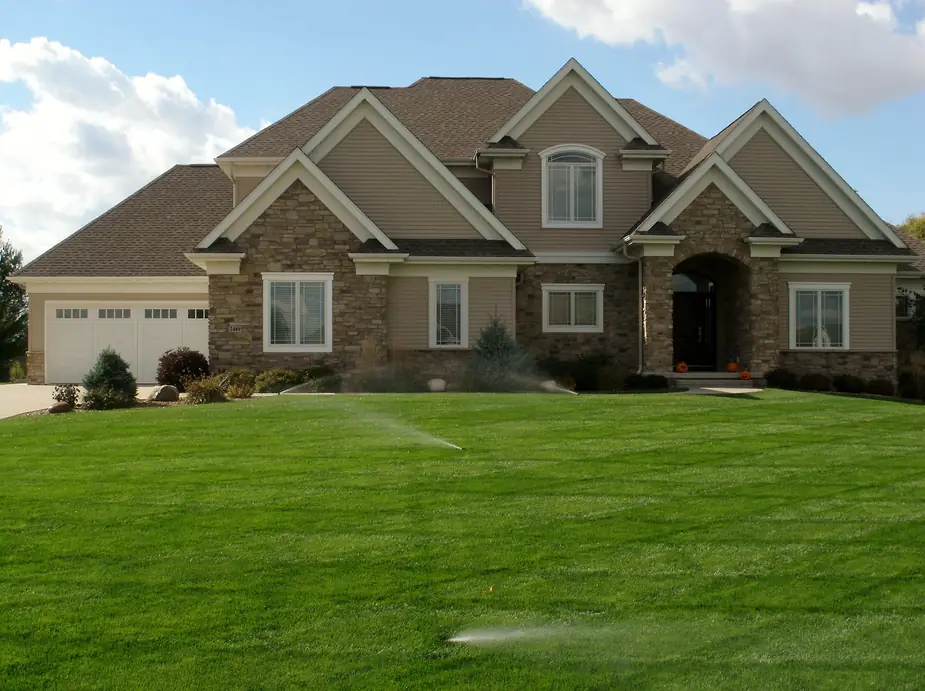
Sprinkler pipe is full of water for most of the year. That's the point of it. But the same water that keeps your lawn green in July can wreck the system in January. Winterization is the job that prevents that, and in Eastern Iowa it isn't optional if you want the system working next spring.
What freezing does to a sprinkler system
Water expands when it freezes. Pipe, fittings, valves and heads all hold water, and when that water turns to ice it has nowhere to go. Something has to give. Usually it's a fitting, a section of pipe or the body of a valve, and the crack is often hairline thin.
The trouble is that you can't see it. Most of the system is buried, so a split line sits quietly all winter. You find out in spring, when you turn the water on and a zone won't build pressure, a wet patch appears that never dries, or water bubbles up through the grass. Finding the damage can mean digging, and digging costs time and lawn.
The backflow device is another weak point. If your system has one, it usually sits above ground where the cold gets at it directly, so it's often the first thing to suffer.
What a blowout is
Winterization works by removing the water. A technician connects an air compressor to the system and pushes compressed air through the lines one zone at a time, until the heads stop spitting water and only air comes out. With the water gone, there is nothing left to freeze and split.
Here's how Fleming Irrigation handles it:
- A winterization notice goes out each fall, typically in October, so you don't have to remember the date.
- Technicians blow the lines out, working through the zones.
- If your system has an RPZ backflow device, it is removed and kept in heated storage over the winter.
That last step matters more than it sounds. The device is a precision piece of equipment with moving parts and springs inside. Keeping it indoors where it stays above freezing protects a part worth looking after, one that has to pass a test when it goes back on.
Why timing matters
The goal is to blow out the lines before the hard freezes arrive, not after. The first hard freeze can show up sooner than the calendar suggests, and a few cold nights in a row are enough to put ice in a shallow fitting or an exposed valve. If you wait for a forecast that scares you, the schedule may already be full.
That's why the notice goes out early in the fall season. When it arrives, call back and get on the list. A system that is blown out in good time is a system you don't think about again until spring.
What not to try yourself
It's tempting to rent a compressor and do it yourself. We'd steer you away from that. Too much air pressure can break parts as surely as ice can. The right pressure depends on the pipe and components in your particular system, and it takes experience to know when a zone is clear. Compressed air also throws debris and loose parts, so working near a pressurized head or valve isn't a casual chore.
These are the mistakes that come up most often:
- Waiting until the first freeze has already happened.
- Running a rented compressor at full pressure.
- Skipping zones you rarely use, even though water sits in those lines too.
- Opening a drain valve and calling it done, when the system may have low spots the drain doesn't reach.
- Leaving the backflow device on the pipe all winter.
If you missed it
It happens. Maybe the notice got buried in the mail, or the first cold snap came early. Don't panic, and don't turn the system on to test it if you think water may have frozen inside. Call first. A spring start-up is built to find exactly this kind of damage: each zone is run, and broken heads and leaks show up quickly. Repairs are part of the service, and Fleming handles service and repair year round.
If your system hasn't been winterized yet, call Fleming Irrigation at (319) 393-9229 to get on the schedule, or use the contact page. The office is open Monday to Friday, 8 to 4, and you can leave a voicemail after hours.
Fleming Irrigation, (319) 393-9229
Call (319) 393-9229More articles
What Happens on Sprinkler Installation Day in Eastern Iowa
From the flags in your lawn to the as-built drawing in your hand, here is the order things happen when a new sprinkler system goes in.
RPZ Backflow Devices Explained for Eastern Iowa Owners
The strange brass device by your foundation has one job: keeping sprinkler water out of your drinking water.